Introduction
As the world moves towards sustainable energy solutions, solar water heating has emerged as an efficient and eco-friendly alternative to traditional heating methods. Whether for residential or commercial use, solar water heating systems provide an economical way to harness the power of the sun to meet daily hot water needs. In this blog, we explore the benefits, types, installation, and cost-effectiveness of solar water heating systems.
What is Solar Water Heating?
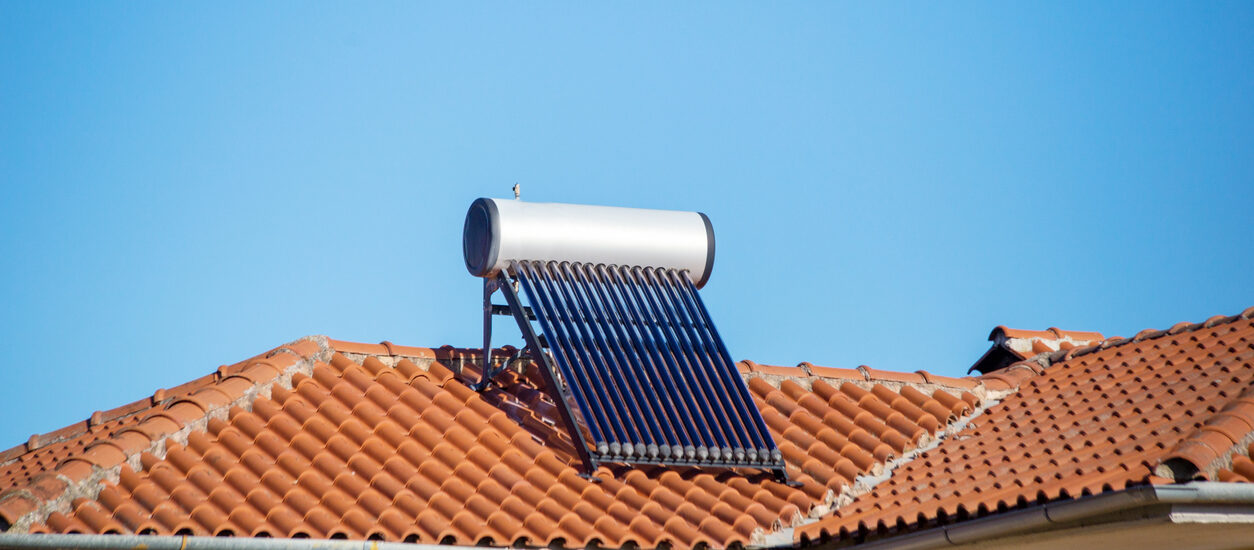
Solar water heating (SWH) is a technology that utilizes solar energy to heat water for domestic, industrial, or commercial use. It reduces dependency on electricity or gas, leading to lower energy bills and a smaller carbon footprint. The system typically consists of solar collectors, a storage tank, and a circulation system to distribute hot water.
Types of Solar Water Heating Systems
There are two main types of solar water heating systems:
1. Active Solar Water Heating Systems
These systems use pumps and controls to circulate water or a heat-transfer fluid between the collectors and the storage tank. They are further classified into:
- Direct Circulation Systems: Water is directly heated in the solar collectors and sent to the storage tank.
- Indirect Circulation Systems: A heat-transfer fluid (e.g., antifreeze) absorbs heat from the collectors and transfers it to the water in the storage tank via a heat exchanger.
2. Passive Solar Water Heating Systems
These rely on natural convection rather than pumps, making them more energy-efficient and cost-effective. They include:
- Integral Collector-Storage (ICS) Systems: Water is preheated in solar collectors before being delivered to the conventional water heater.
- Thermosiphon Systems: Heated water naturally rises to the storage tank, ensuring efficient heat transfer without the need for pumps.
Benefits of Solar Water Heating
- Cost Savings: Reduces electricity or gas bills by up to 70%.
- Eco-Friendly: Lowers carbon emissions and reliance on fossil fuels.
- Energy Independence: Provides a reliable hot water supply, even in remote areas.
- Low Maintenance: Requires minimal upkeep compared to conventional heating systems.
- Long Lifespan: Well-maintained systems can last 20–30 years.
Installation Considerations
Before installing a solar water heating system, consider the following:
- Solar Availability: Ensure your location receives adequate sunlight.
- Roof Space & Orientation: Panels should be installed at an optimal angle for maximum exposure.
- Water Demand: Choose the right system capacity based on household or business needs.
- Backup System: Consider a hybrid solution with an electric or gas heater for cloudy days.
Cost and Return on Investment
The initial cost of a solar water heating system varies based on size, type, and location. However, most systems pay for themselves within 3 to 7 years through energy savings. Additionally, some governments and organizations offer incentives or subsidies for solar installations.
Conclusion
Solar water heating is a smart investment for those looking to reduce energy costs and contribute to a greener planet. By harnessing the sun’s power, households and businesses can enjoy a sustainable, efficient, and cost-effective hot water supply. If you’re considering making the switch, consult with a professional installer to find the best system for your needs.
Are you ready to switch to solar water heating? Contact Gesta Energy Limited today for expert advice and installation services!